
Featured Reviews and Perspectives from ISNI Members
Autoimmune encephalitis-associated epilepsy
Authors: Claude Steriade, Jan Bauer & Christian G. Bien
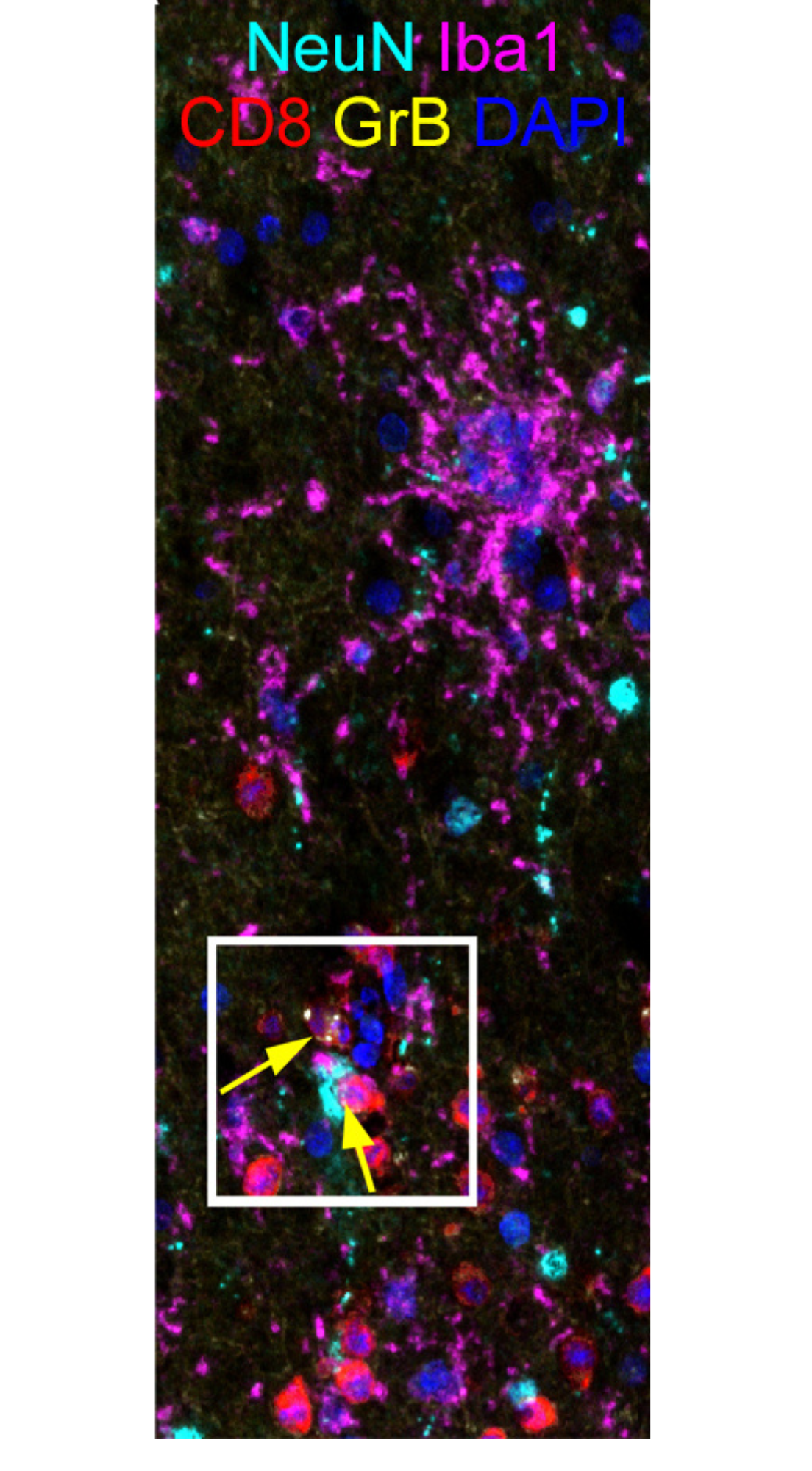
Autoimmune encephalitis-associated epilepsy (AEAE) is a novel umbrella term that groups immunotherapy-resistant antibody-associated encephalitic disorders. In this Perspective in the new Nature Reviews Neurology Neuroimmunology Collection, Dr. Jan Bauer, ISNI community member from Austria, and his colleagues Dr. Claude Steriade (New York, USA) and Christian Bien (Bielefeld, Germany) discuss the new concept of AEAE as an emerging field of study including clinical characteristics of patients and future needs for diagnosis and therapy.

Failed resolution of inflammation in intracerebral haemorrhage
Authors: Liang Cao, Wang Zhao, Yanjun Zhang, Wenjun Pi, V. Wee Yong & Mengzhou Xue
Intracerebral haemorrhage (ICH) is one of the most disabling forms of stroke. In this Perspective in Nature Reviews Neurology, Liang Cao and colleagues propose that long-term post-ICH deficits arise from a failure of acute neuroinflammation to resolve. The authors outline mechanisms by which persistent neuroinflammation may drive white matter injury, glial scarring and network disconnection, and argue for precision pro-resolution therapies guided by immune staging.

Microglial phagocytosis in Alzheimer disease
Author: Guy C. Brown, Peter St George-Hyslop, Rosa C. Paolicelli & Greg Lemke
Alzheimer's Disease has a strong genetic linkage to microglial phagocytosis, which is the engulfment of extracellular particles by microglia (brain macrophages). Microglial phagocytosis of amyloid beta and plaques can be beneficial, and is the basis of current treatments. However, microglial phagocytosis of synapses and neurons can be detrimental. In this Review, included in Nature Reviews Neurology Neuroimmunology Collection, ISNI member Greg Lemke from the US, and colleages from the UK, Canada, and Switzerland, outline the multiple roles of microglial phagocytosis in Alzheimer's Disease, and their implications for future research and treatment.

Narcolepsy is (not) an autoimmune disease
Authors: Anne Vassalli, Mehdi Tafti & Roland S. Liblau
Narcolepsy type 1, a chronic sleep disorder, is firmly linked to the immune system through its strong association with a specific HLA-DQ allele and other immune-related gene variants, as well as its triggering by immunological environmental factors. Nevertheless, the precise mechanisms underlying orexin/hypocretin (HCRT) deficiency in narcolepsy type 1 remain elusive.
In this Perspective article, part of the Neuroimmunology Collection of Nature Reviews Neurology, ISNI Vice President Roland Liblau (France), together with Anne Vassalli and Mehdi Tafti (Switzerland), synthesize current knowledge and propose approaches to strengthen the dominant autoimmune hypothesis. They further examine an emerging alternative hypothesis suggesting that HCRT deficiency results not from neuronal death but from HCRT gene silencing. Finally, they outline methodological strategies to resolve—and potentially reconcile—these two hypotheses, thereby charting roadmaps toward curative therapies.