

Mid-Career Awardees
The ISNI We are Neuroimmunology awards were created in 2021 to recognize the excellence of the next generation of leaders in neuroimmunology while at the mid-career stage.
2025
Clinical Research
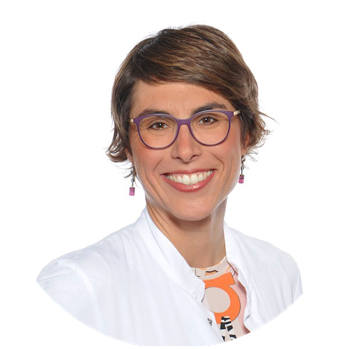
Anne-Katrin Probstel
Germany
Anne-Katrin Pröbstel MD, PhD is a neurologist clinician-scientist and the Chair of the Center of Neurology and Director of the Clinic for Neuroimmunology at the University Hospital Bonn (Germany). She holds a dual position as research group leader at the German Center for Neurodegenerative Diseases in Bonn and at the Departments of Biomedicine and Clinical Research as well as the Research Center for Clinical Neuroimmunology and Neuroscience at the University in Basel (Switzerland).
Anne-Katrin studied medicine at the Ludwig Maximilian University (Germany,) Harvard Medical School (USA) and Université Paris-Diderot (France) and received her doctoral degree from the Max-Planck Institute of Neurobiology and Ludwig Maximilian University in Munich (Germany), followed by a postdoctoral fellowship at the University of California, San Francisco (USA).
The Pröbstel lab interfaces immunology, microbiology and neurosciences and centers on understanding the interaction of microbiota and immune cells in neuroinflammatory diseases with a focus on multiple sclerosis, MOGAD, NMOSD, autoimmune encephalitis and related disorders.
2025
Fundamental Research
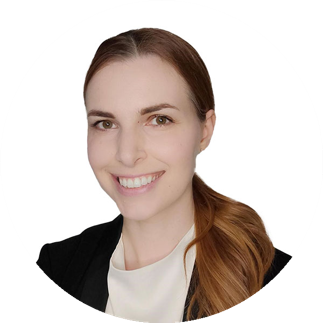
Veronique Miron
Canada
Veronique Miron, PhD holds the John David Eaton Chair in Multiple Sclerosis Research at the Keenan Research Centre for Biomedical Science at Unity Health Toronto, and is Full Professor in the Department of Immunology at the University of Toronto. She is the recipient of several prestigious awards such as the Career Development Award and the Senior Non-Clinical Award from the UK Medical Research Council, the European Charcot Foundation Young Investigator Award, the Suffrage Science Award, the Unity Health Toronto Legacy Award, and was recently elected to the Royal Society of Canada.
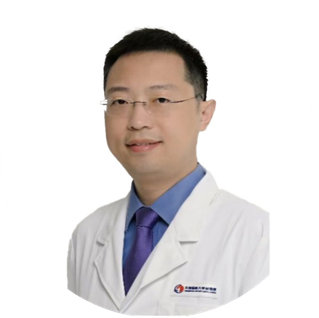
Qiang Liu
China
Qiang Liu, MD, PhD, is a Professor of Neurology and VP of Research at Tianjin Medical University General Hospital, Tianjin, China. He is the Executive VP at Tianjin Neurological Institute and the Director of “Immunity & Aging” Laboratory. Dr. Liu received his medical degree from Nanjing Medical University, Nanjing, China and his doctorate in neuroscience from Barrow Neurological Institute, Phoenix, USA. His clinical and research interests are centered on multiple sclerosis and stroke. His ongoing projects aim to determine the safety and efficacy of immune therapies targeting bone marrow immunity to treat CNS inflammatory disorders. He serves as board member in Chinese Society for Immunology (CSI) and Chinese Medical Doctor Association (CMDA-Neurorestoration branch), and the chair of Clinical Neuroimmunology Section at CMDA- Neurorestoration branch.
2023
Clinical research
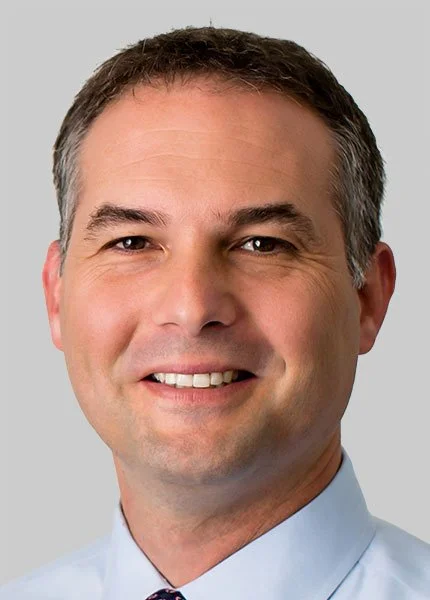
Michael Wilson
USA
Michael Wilson is a neurologist and physician-scientist at University of California, San Francisco’s Weill Institute for Neurosciences in the Department of Neurology’s Division of Neuroimmunology and Glial Biology. He is the founding director of the UCSF Center for Encephalitis and Meningitis, and his lab does translational research on neuroinflammatory disorders with the aim of developing improved diagnostics and therapeutics.
2023
Fundamental Research
Markus Kleinwietfeld
Germany
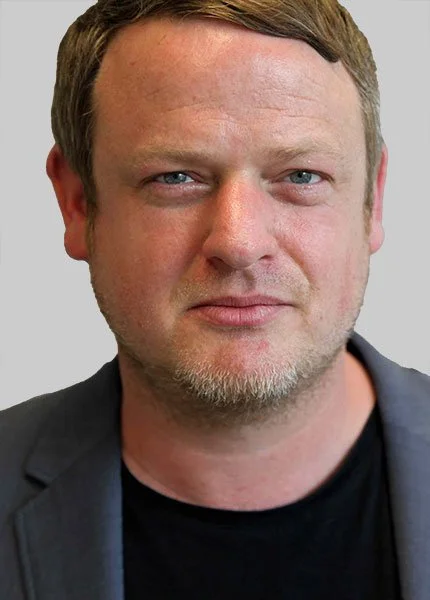
Markus Kleinewietfeld studied biology and immunology at the University of Cologne (Germany). Afterwards, he did his PhD thesis at Free University and Max-Delbrück-Center (MDC) Berlin, Germany on regulatory T cells (Tregs) in the context of autoimmunity and Multiple Sclerosis (MS). After a postdoctoral stay at the MDC and research visit at the Singapore-Immunology-Network (SIgN) in autoimmune diseases, he did a second postdoc at Harvard Medical School and the Broad Institute (USA) studying human T cells in the context of MS. After his stay in Harvard, he became a member of the Faculty of Neurology, Yale School of Medicine (USA) and concentrated on studying the impact of environmental factors, like nutrition and the microbiome on the T cell balance and neuroinflammation. He then relocated to Europe to take a position as group-leader (Translational Immunology Lab) at the Medical Faculty of TU-Dresden (Germany). Currently, Prof. Kleinewietfeld heads the Laboratory of Translational Immunomodulation at the VIB and BIOMED institutes at Hasselt University in Belgium. The research of Prof. Kleinewietfeld has significantly contributed to the field and is presently focusing on two major topics: I) Environmental-factors (nutrition/microbiota) impacting autoimmunity and II) Plasticity/immunometabolism of T cells in the context of autoimmunity/neuroinflammation.
2021
Clinical Research
Sarosh Irani, BMBCh MA (Oxon) DPhil FRCP FEAN
United Kingdom
Head, Oxford Autoimmune Neurology Group, Research laboratory
MRC Senior Clinical Fellow
Associate Professor and Honorary Consultant Neurologist
Oxford Biomedical Research Centre, Senior Fellow
Associate Editor @Brain
Sarosh undertook clinical training in Oxford and London, with a DPhil in Oxford and a Fulbright postdoctoral position at the University of California at San Francisco (USA).
He was awarded the prestigious Graham-Bull Prize in Clinical Science / Goulstonian Lectureship, from the Royal College of Physicians in 2019, the 2020 NIHR Biomedical Research Centre Senior Clinical Fellowship and direct funding from both Wellcome Intermediate and 2021 Medical Research Council Senior Clinical Fellowships.
Sarosh Irani is a clinician-scientist who leads the Oxford Autoimmune Neurology Group, He runs the UK’s major clinic for autoantibody related CNS diseases aiming to improve treatments and outcomes for patients with autoantibody-mediated diseases of the nervous system and understand both the immunology and neuroscience underlying these conditions.
Sarosh has made several discoveries within the translational neuroimmunology space. These have spanned basic clinical observations, detection of pathogenic autoantibodies, genetic findings and B cell immunobiology, all in the field of autoantibody-mediated diseases of the CNS including forms of encephalitis and neuromyelitis optica.
2021
Fundamental Research
Gila Moalem-Taylor
Australia
Neuropathic Pain Research Group
Translational Neuroscience Facility
School of Medical Sciences
The University of New South Wales
UNSW Sydney
NSW 2052 Australia
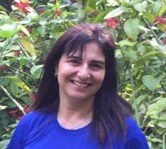
Moalem-Taylor graduated with a PhD from the Weizmann Institute of Science, Israel. She was then awarded a Rothschild Postdoctoral Fellowship and worked on the role of T cells in neuropathic pain at The University of Cincinnati Medical Centre (USA). She then moved to the University of New South Wales (UNSW) in Sydney Australia, where she was awarded the UNSW Vice-Chancellor’s Postdoctoral Fellowship (2004-2007), followed by the NSW Office of Science and Medical Research (OSMR) Career Development Fellowship under the NSW Spinal Cord Injury and Related Neurological Conditions Research Grants Program (2010-2013). In 2014, she was appointed as a combined track (Teaching & Research) academic in the Department of Physiology where she leads the Neuropathic Pain Research group at the Translational Neuroscience Facility.
In 2019, she was promoted to an Associate Professor at the School of Medical Sciences, UNSW. Since her PhD, Moalem-Taylor has worked primarily in the area of neuroimmunology. Her current research focuses on the role of immune cells and their mediators in neuropathic pain caused by peripheral nerve injury, autoimmune diseases of the nervous system such as multiple sclerosis, and chemotherapy-induced peripheral neuropathy.